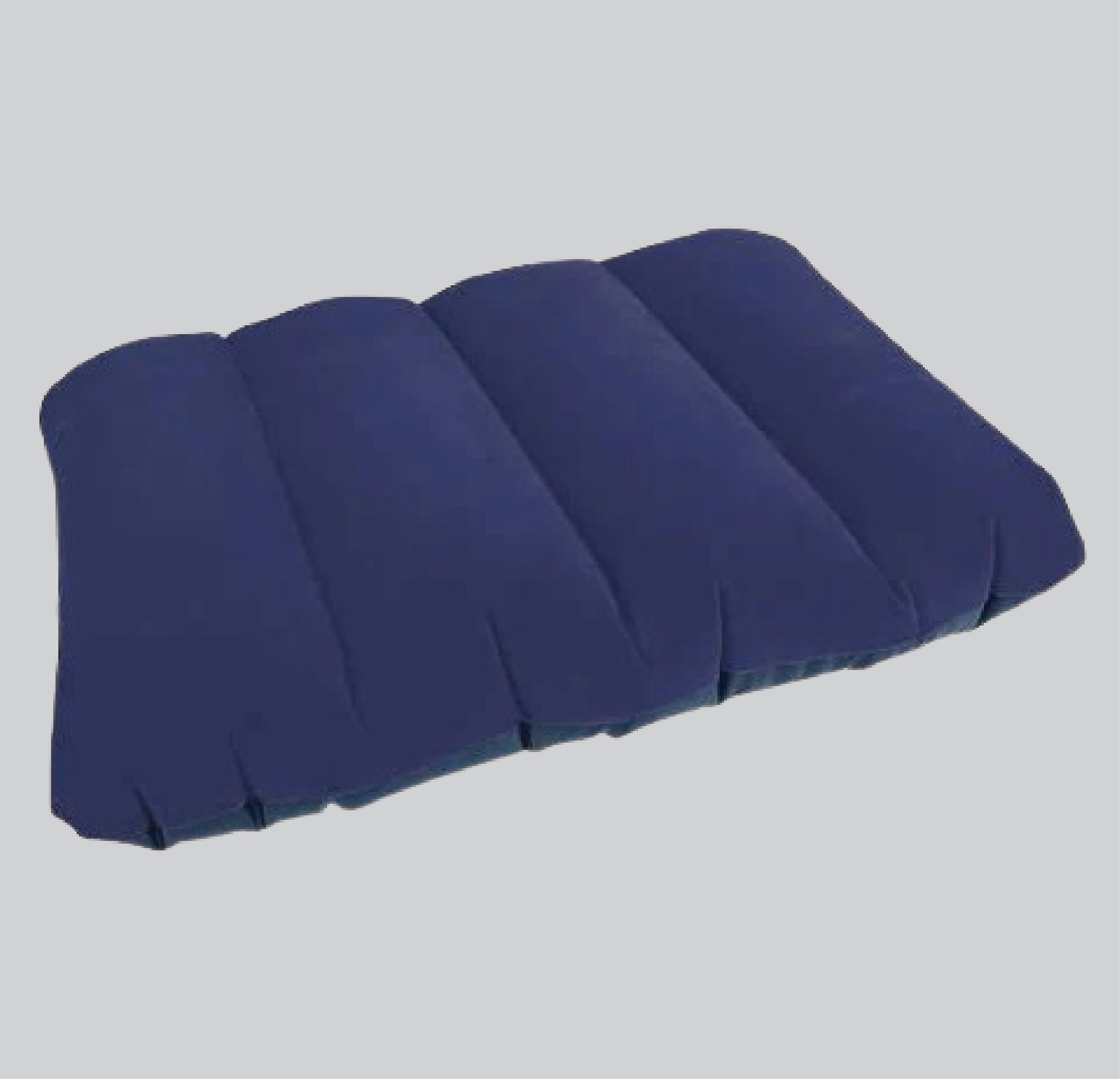
Helpful ideas for getting your Kilimanjaro clothes and gear ready.
You can rent the gear you need when you arrive in Tanzania. If you don’t want to carry all your climbing things with you, you can rent everything from us, and it’s cheaper than buying new gear. If it’s your first time climbing or if you don’t have your own equipment, renting is a smart and affordable choice, especially if you might only use the gear once. All our equipment is clean and in great condition.
Clothing for Kilimanjaro
You will walk through four different climate zones on Kilimanjaro: rainforest, moorland, alpine meadows, and the Arctic desert. In the lower rainforest area, the weather is warm and humid. Near the top, it becomes snowy, windy, and very cold. During the day it can feel warm, but at night the temperature can drop to freezing. You need to be prepared for all these changing weather conditions.
Jackets
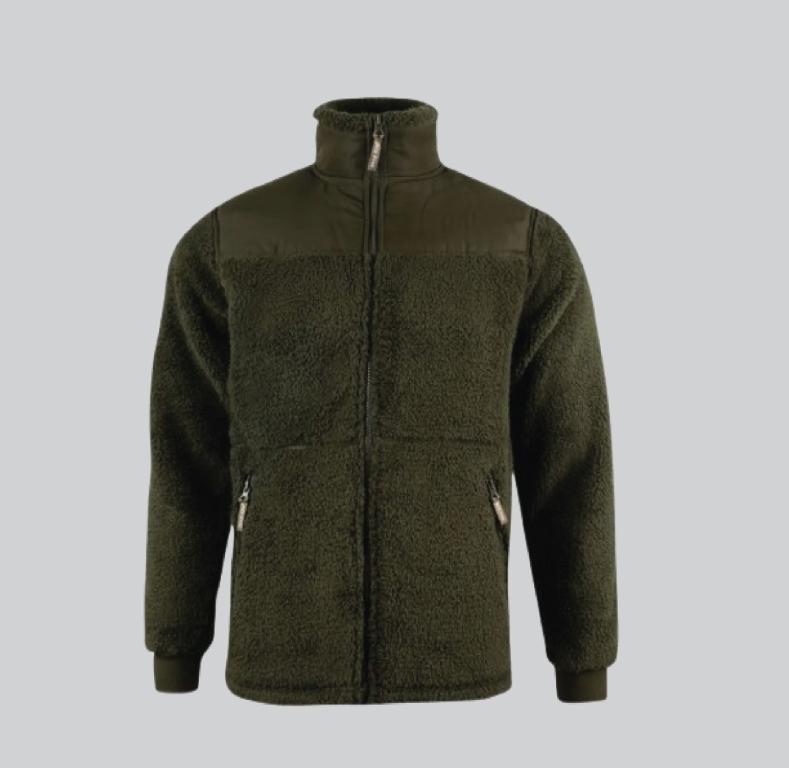
Fleece jacket for warmth
Fleece jackets can be worn on their own or over a trekking shirt. They are very useful at night in camp and you will wear one on most days of your Kilimanjaro climb, so it’s important to have one. Polartec-200 fabric is the best choice for this trip. Good fleece jacket brands include The North Face, Red Fox, Mountain Hardwear, and Patagonia. A hooded fleece is even better because it gives extra warmth and comfort. We suggest bringing 2–3 fleece jackets for your climb.
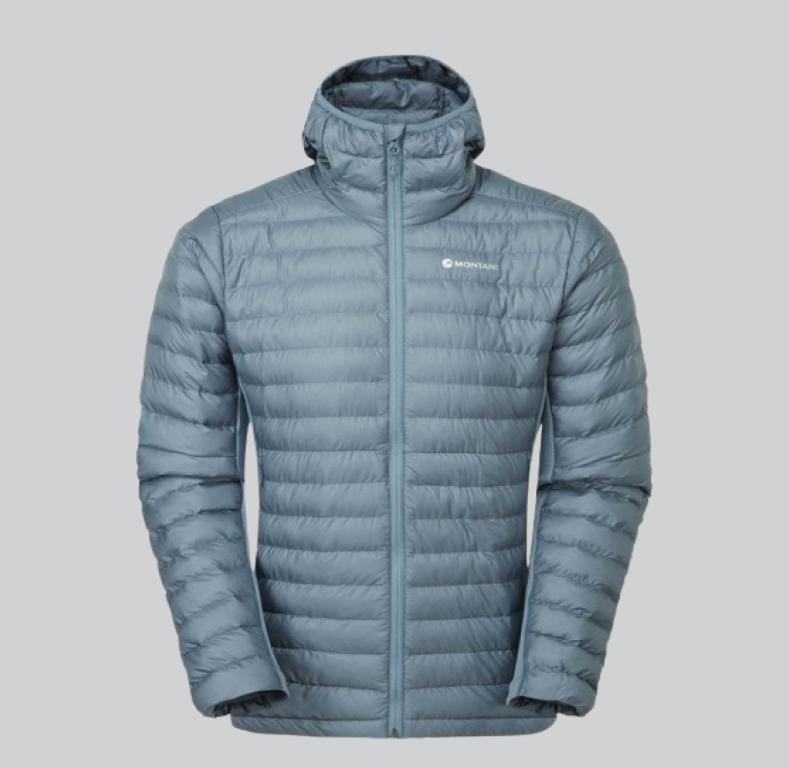
Insulated jacket
A warm jacket is essential for camps and for reaching the summit, keeping you cozy during chilly evenings. It should be comfortable to wear at -15°C (5°F), neither too heavy nor too light. Always choose a hooded jacket for extra protection. Another key factor is water resistance. Mount Kilimanjaro often has rain or snow, so pick a jacket with a water-resistant outer layer to handle light precipitation. For heavy rain or snow, a separate rain jacket is necessary for full protection.
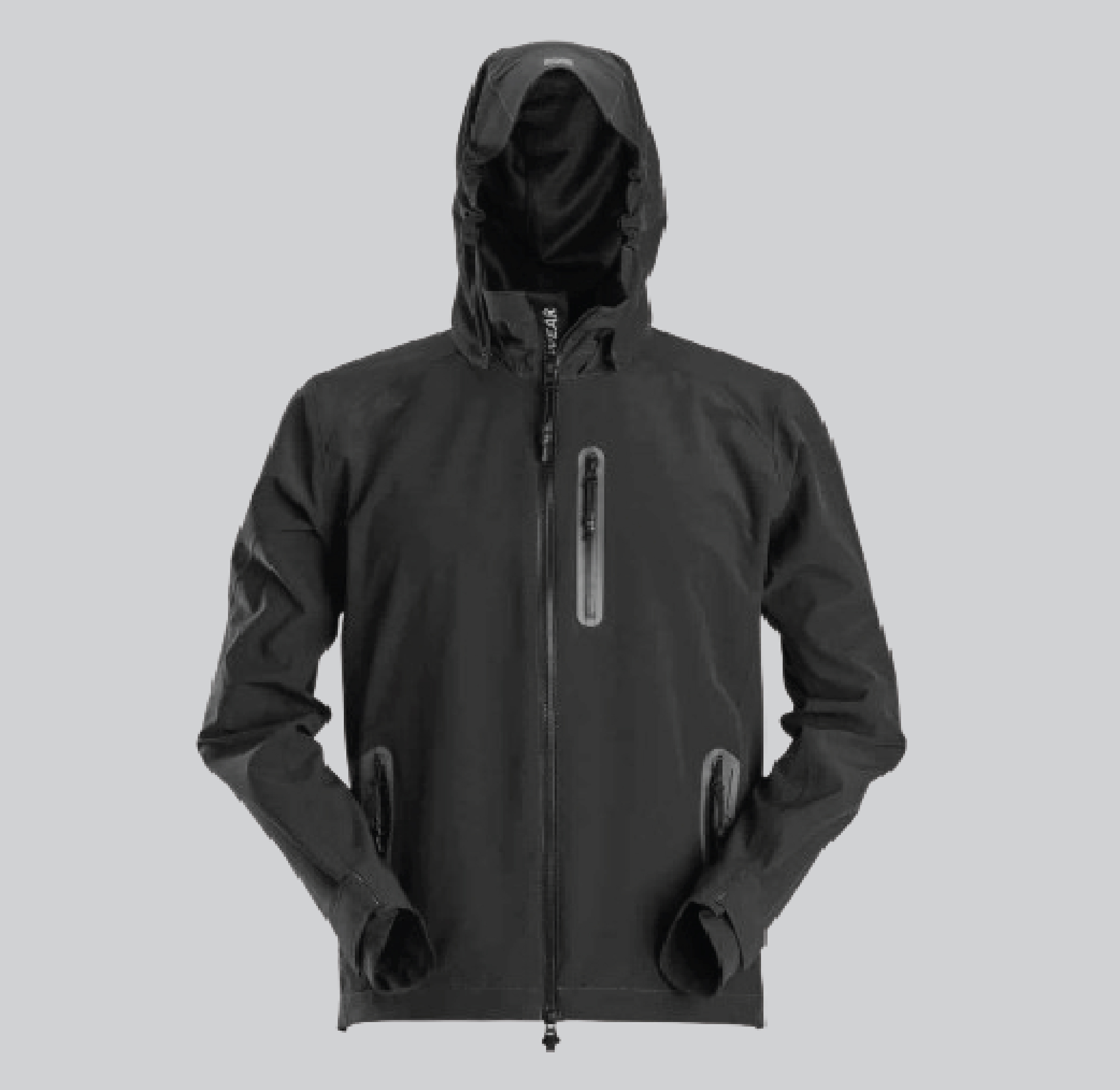
Water proof shell jacket
A hard shell rain jacket is likely needed from the first day of your trip, especially on the Lemosho 7-day program, which starts at 3,500 m (11,500 ft). Always keep it packed in your backpack for easy access. This jacket protects you from wind and light rain before reaching the summit camp. On most Kilimanjaro days, it serves as your third layer, worn over thermal underwear and a fleece jacket, providing extra warmth and protection against changing weather conditions.
Trousers
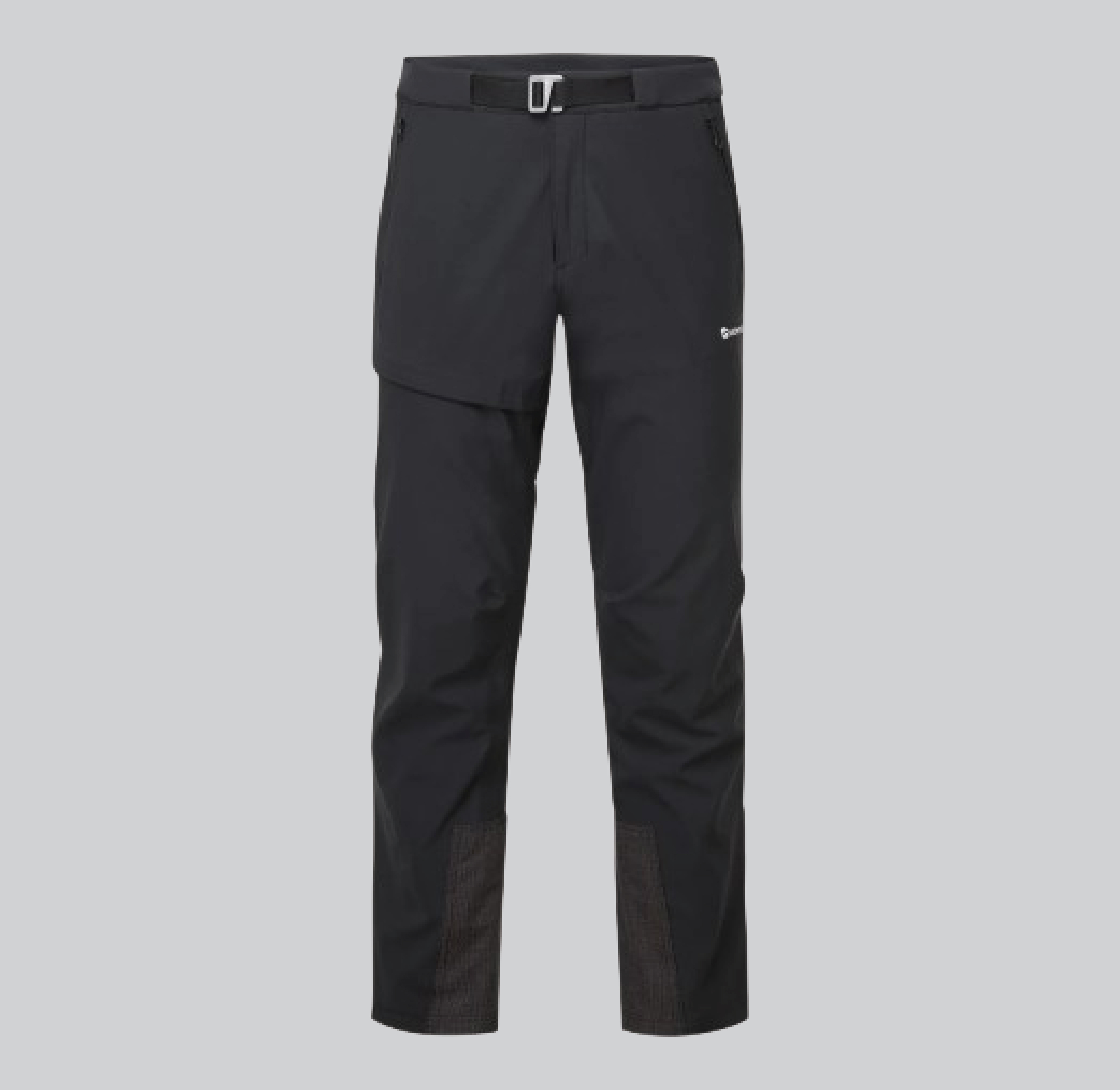
Trekking pants
Good-quality trekking pants are usually enough for a Kilimanjaro trip. Even if you like hiking in shorts, bring a pair of trousers for the higher parts of the mountain, where it can be very cold, and for chilly evenings at the camps. Choose pants that are light, comfortable, and quick-drying, because the weather can change fast. Some pants have zip-off legs, which let you switch between shorts and long pants during the day. Pants that protect against wind and rain make hiking much easier.
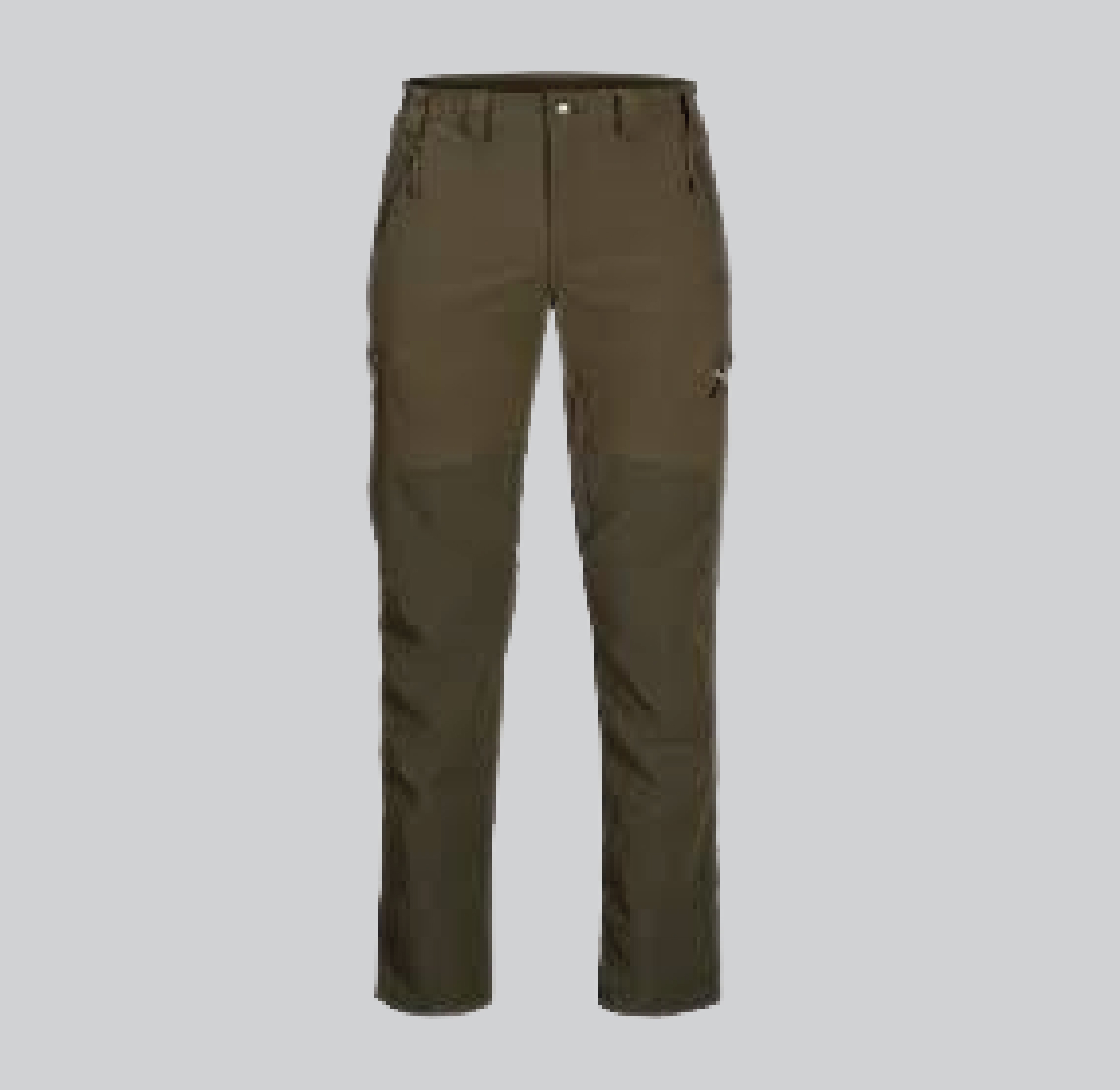
Membrane pants of rain pants
Membrane pants are important for your Kilimanjaro adventure, especially during the rainy season. When you wear them over your trekking pants, they give very good protection against wind and rain. This helps keep you dry and warm, making your hike much more comfortable. Even in light rain or strong winds, membrane pants act as a shield, so you can enjoy the climb without getting cold or wet. Bringing them will make your Kilimanjaro experience safer and more enjoyable.
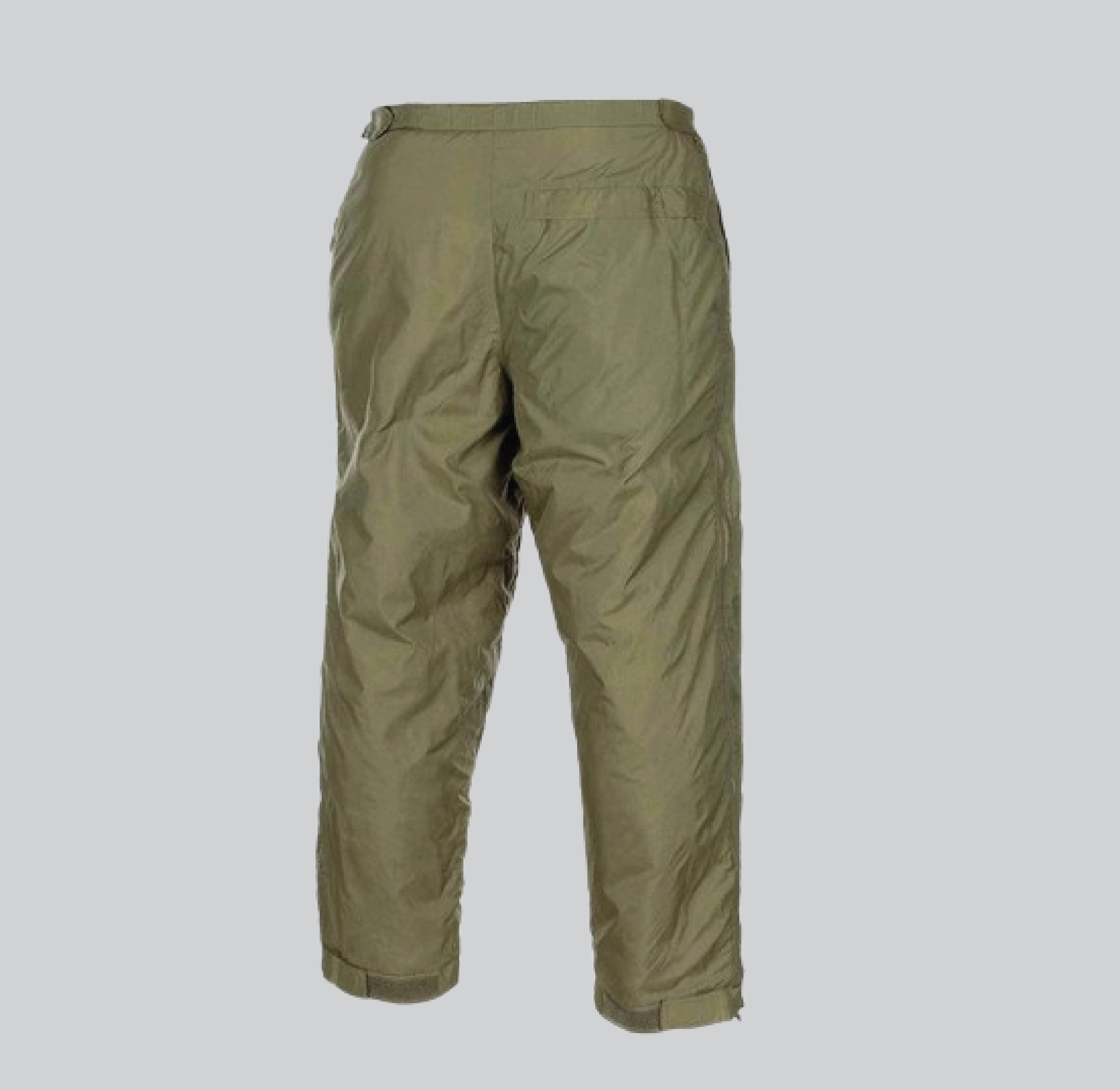
Warm trousers
Warm trousers are an essential item for your Kilimanjaro packing list. They are needed for the summit, when the weather is very cold. Choose pants that are water-resistant, lined with fleece for warmth, and have a strong shell to protect against wind and rain. Ideally, they should keep you comfortable in temperatures below -15 °C (5 °F). If you are not used to cold, you will especially appreciate wearing warm pants in the higher camps during your climb.
Hiking underwear and shirts
You will need 5–6 pairs of underwear for Kilimanjaro, plus 2–3 pairs of thermal underwear. Wear one pair on normal days and a warmer set for summit night. Thermal underwear is also more comfortable for sleeping. Light synthetic fabrics dry quickly, while summit layers can include wool for warmth. Any good thermal brand works. For shirts, bring 3–4 short-sleeved and 2 long-sleeved ones. Avoid cotton; choose light, breathable fabrics like polyester-spandex or nylon blends.
Tips on Bags
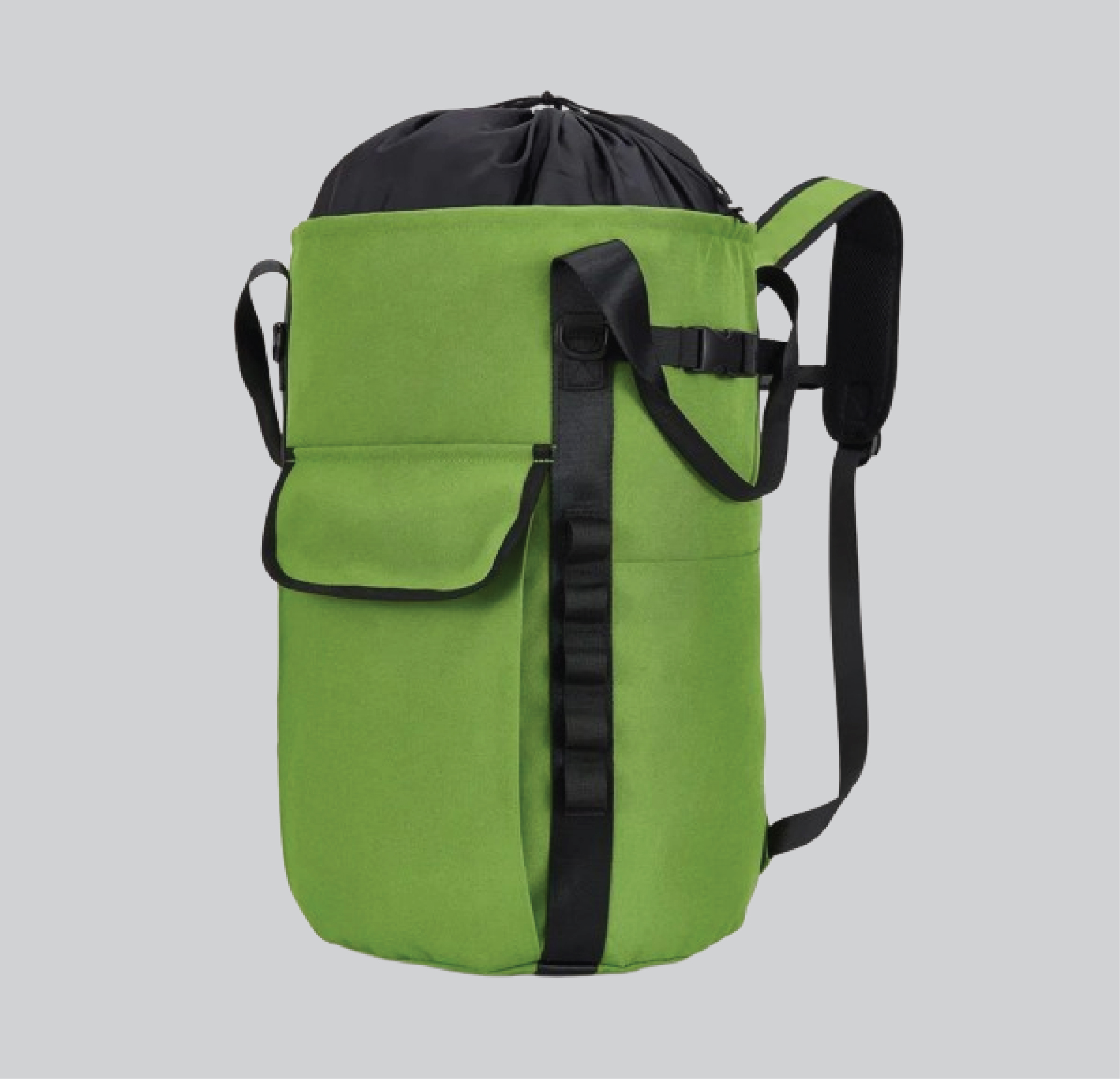
Daypack
Your daypack should carry daily essentials like sunglasses, sunscreen, a rain poncho, a flashlight, water, and snacks, plus gadgets such as your camera and smartphone. It must be light and fit comfortably to avoid strain—testing it on shorter hikes beforehand is recommended. Look for a daypack with a rain cover to protect contents from sudden rain, side pockets for trekking poles and water bottles, and a hip belt to reduce weight pressure. Ideally, it should support a hydration bladder.
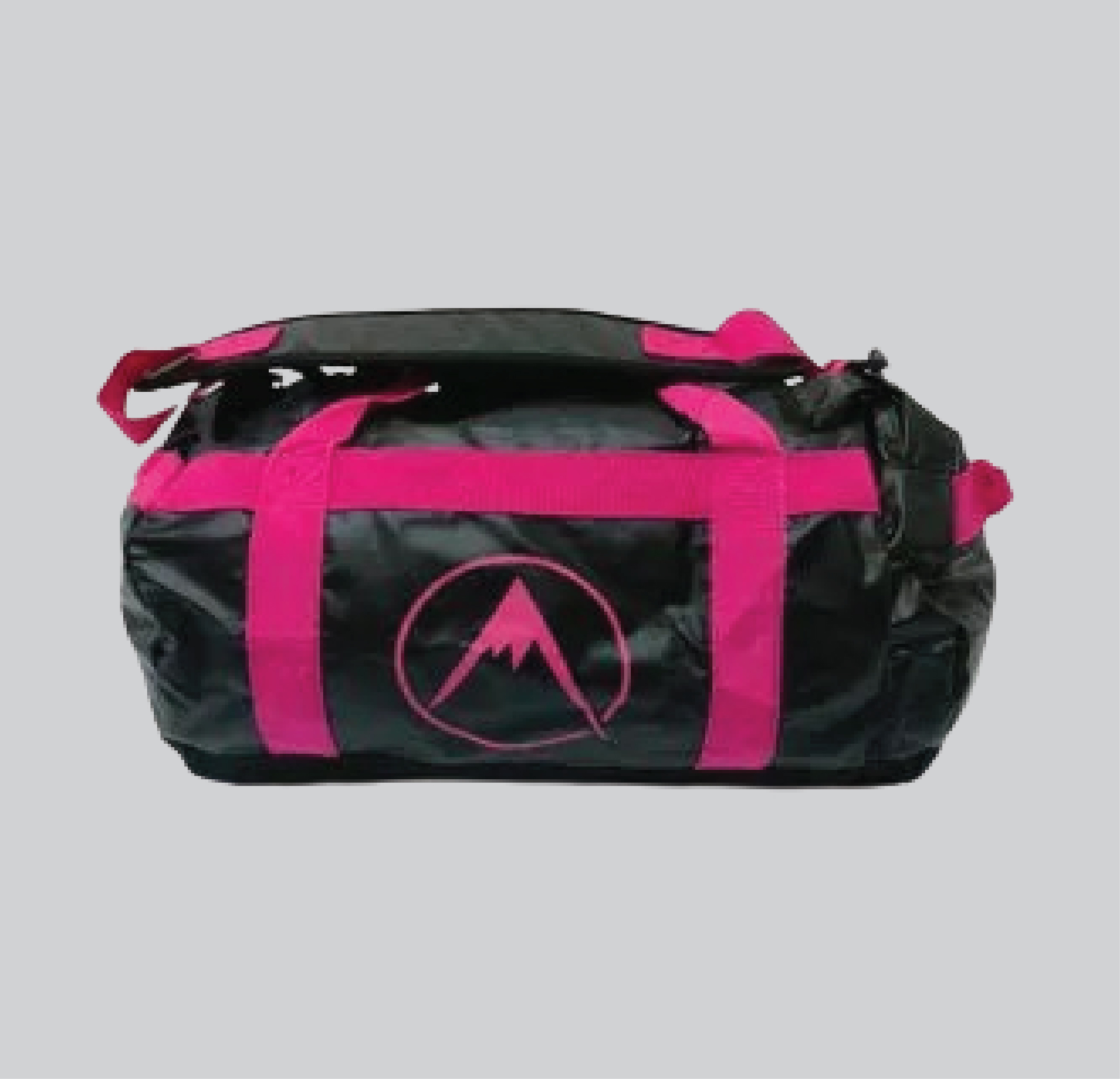
Duffle bag
Porters carry soft duffle bags on their heads over 40-60 km on Kilimanjaro treks, with longer routes like the Northern Circuit adding extra distance, so choose models comfortable for head-carrying. Fully loaded bags must not exceed 15 kg per Kilimanjaro National Park regulations to protect porters. Opt for waterproof duffle bags with 90-120 liter capacity to accommodate all gear, and pack items inside large dry bags for added rain protection since zippers may leak.
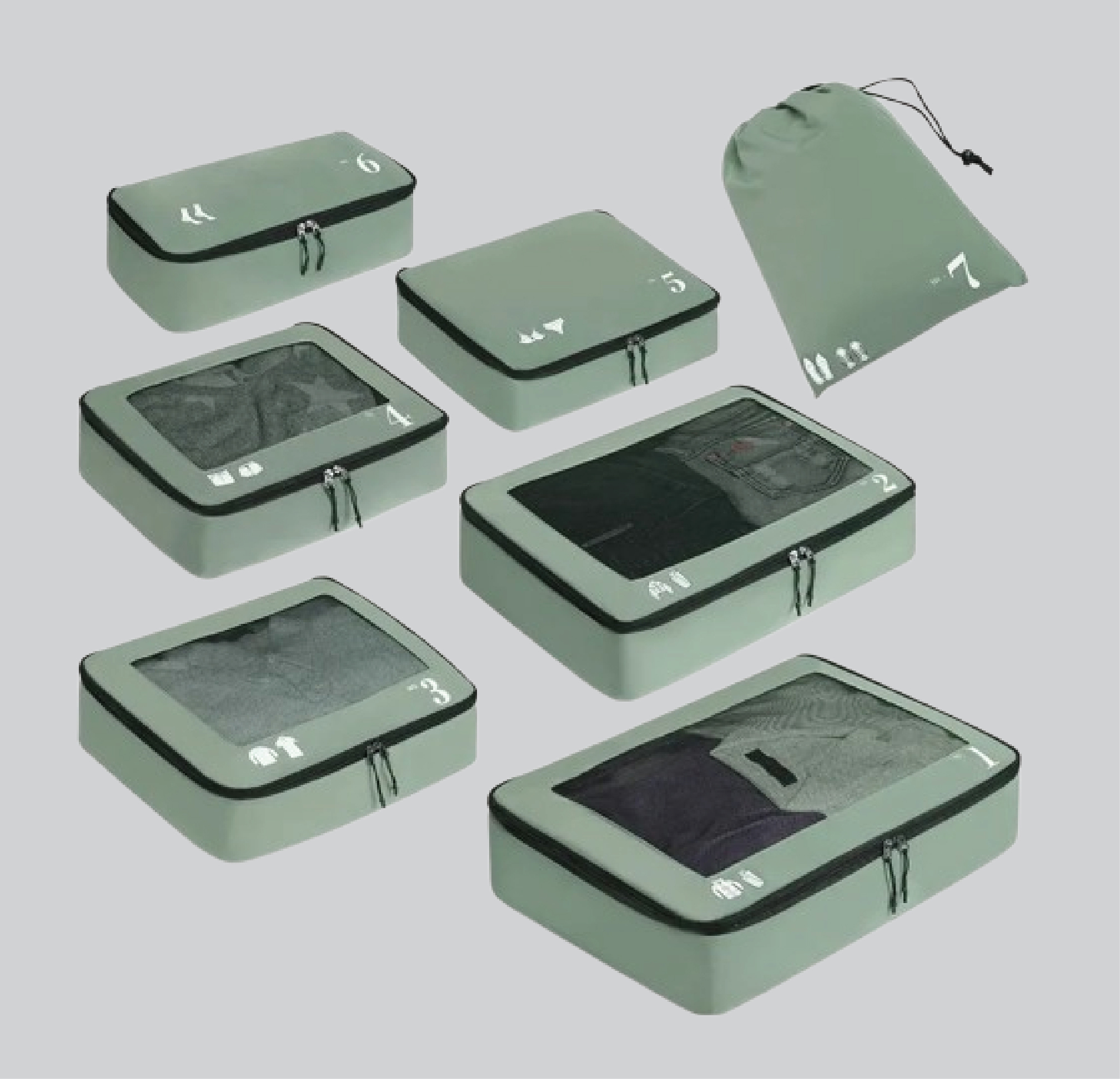
Travel bag organizers
Packing organizers are highly recommended for Kilimanjaro treks as they simplify arranging gear inside your duffle bag, keeping everything neatly sorted. They effectively separate dirty or wet clothes from clean ones, enhancing comfort and organization during the multi-day hike. This system saves significant time when unpacking at camp and ensures quick access to items, reducing hassle amid varying weather and fatigue. Porters appreciate compact packing within the 15 kg limit, making logistics smoother for all.
Personal, Medical & Gadget Essentials for Kilimanjaro
Personal and medical essentials for a Kilimanjaro trek include wet wipes—one small pack for daytime and a larger one for evening hygiene—along with sunscreen to protect from the strong high-altitude sun and any personal medication that may be unavailable in Tanzania. Optional gadgets can make the journey even better: bring a camera or smartphone with a power bank (or a GoPro with spare batteries) to capture the incredible views, a power bank to keep everything charged since there are no outlets on the mountain, an e-reader for relaxing before sleep, and an MP3 player to keep your energy high, especially on summit night.
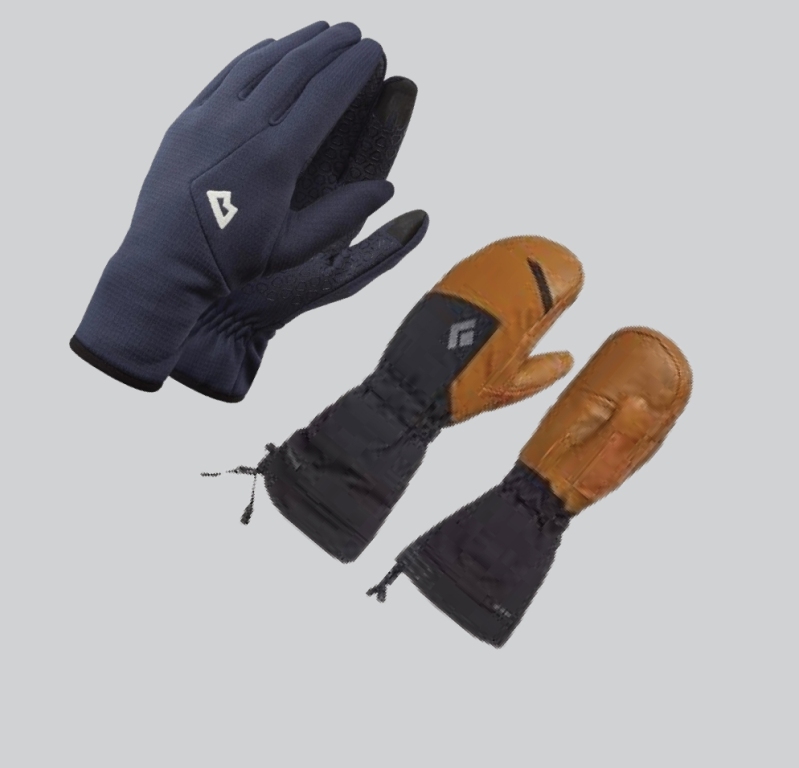
Lightweight gloves and
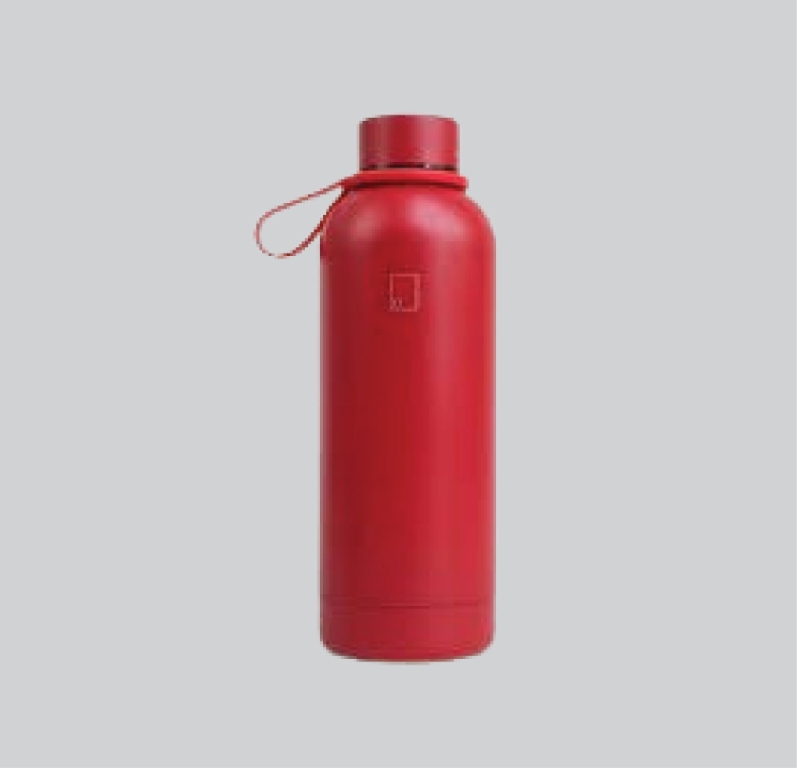
Water flask
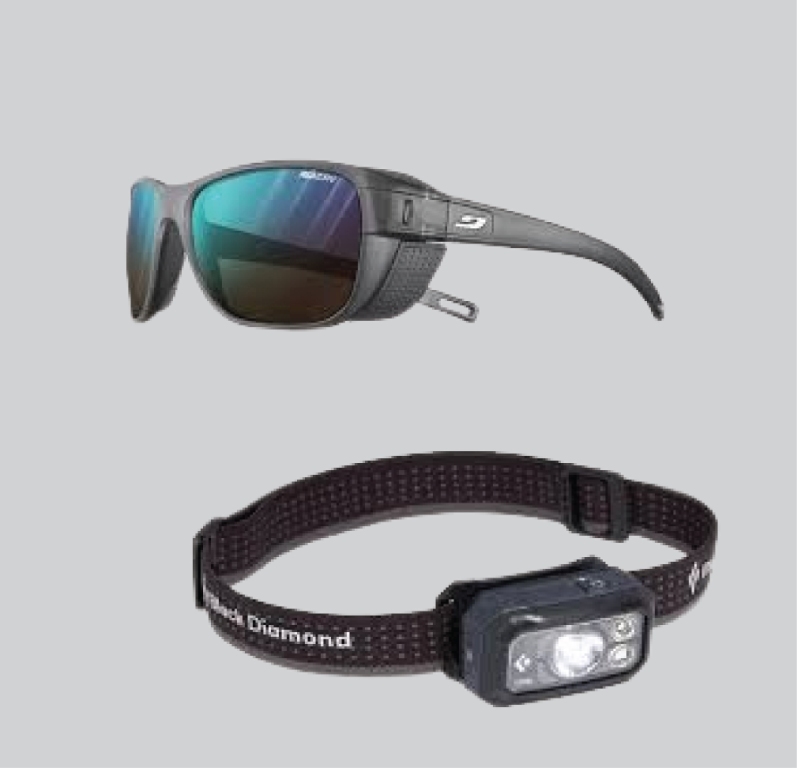
Sunglasses and Headlamp
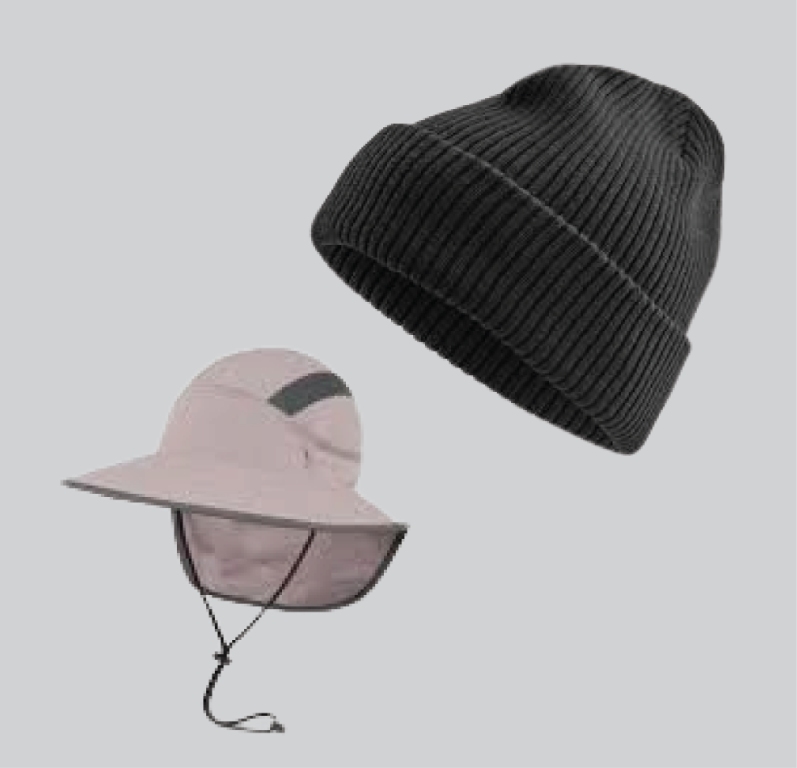
Beanie and Sun hat
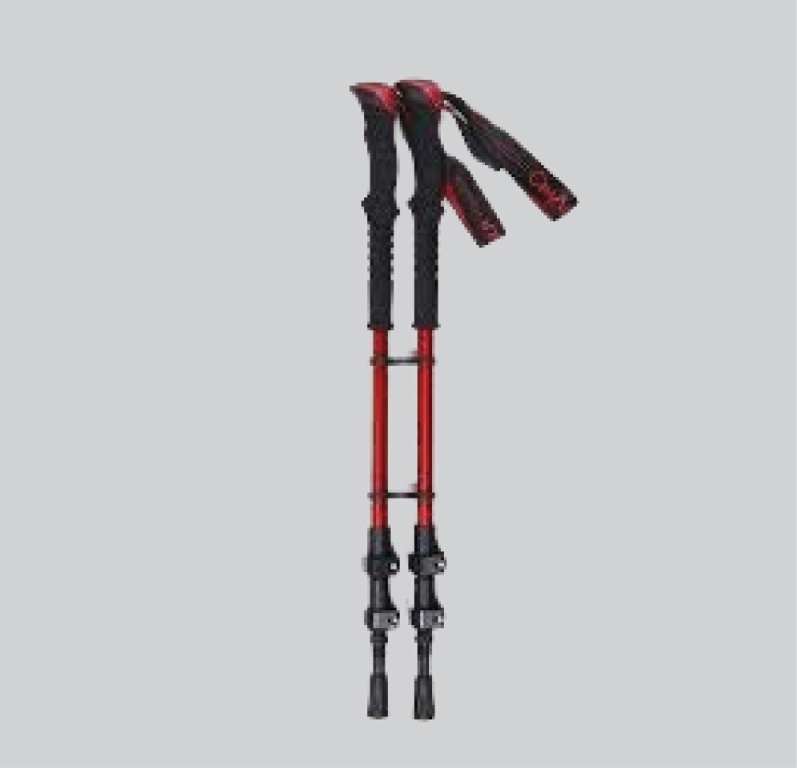
Trekking poles
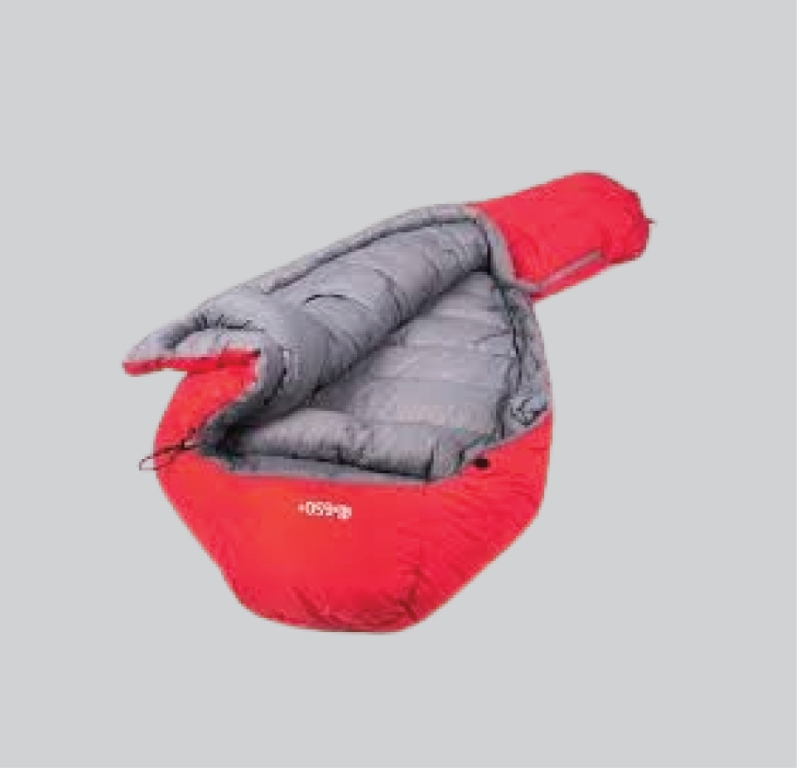
Sleeping bag for Kilimanjaro
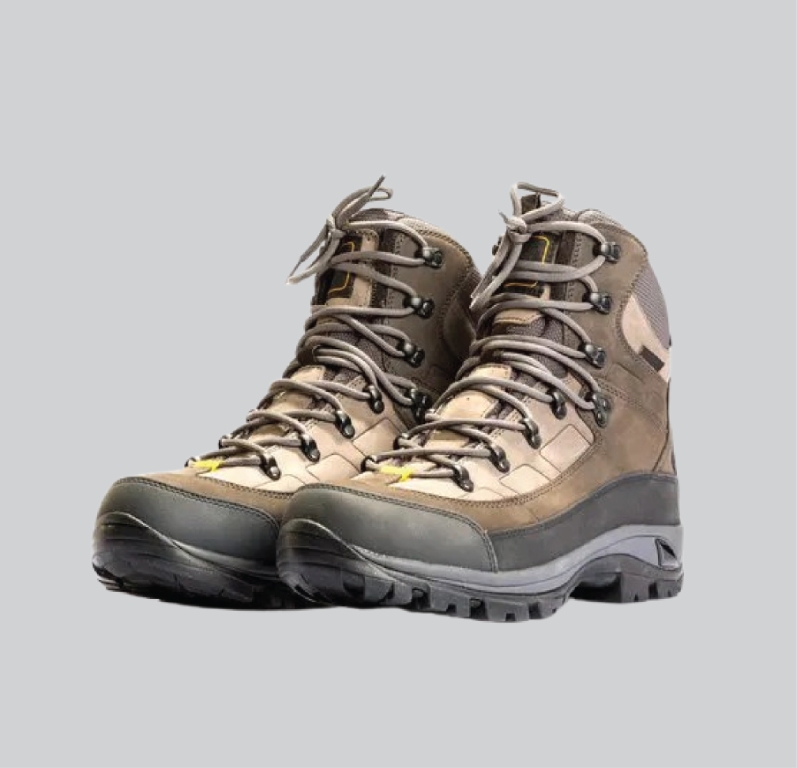
Hiking boots